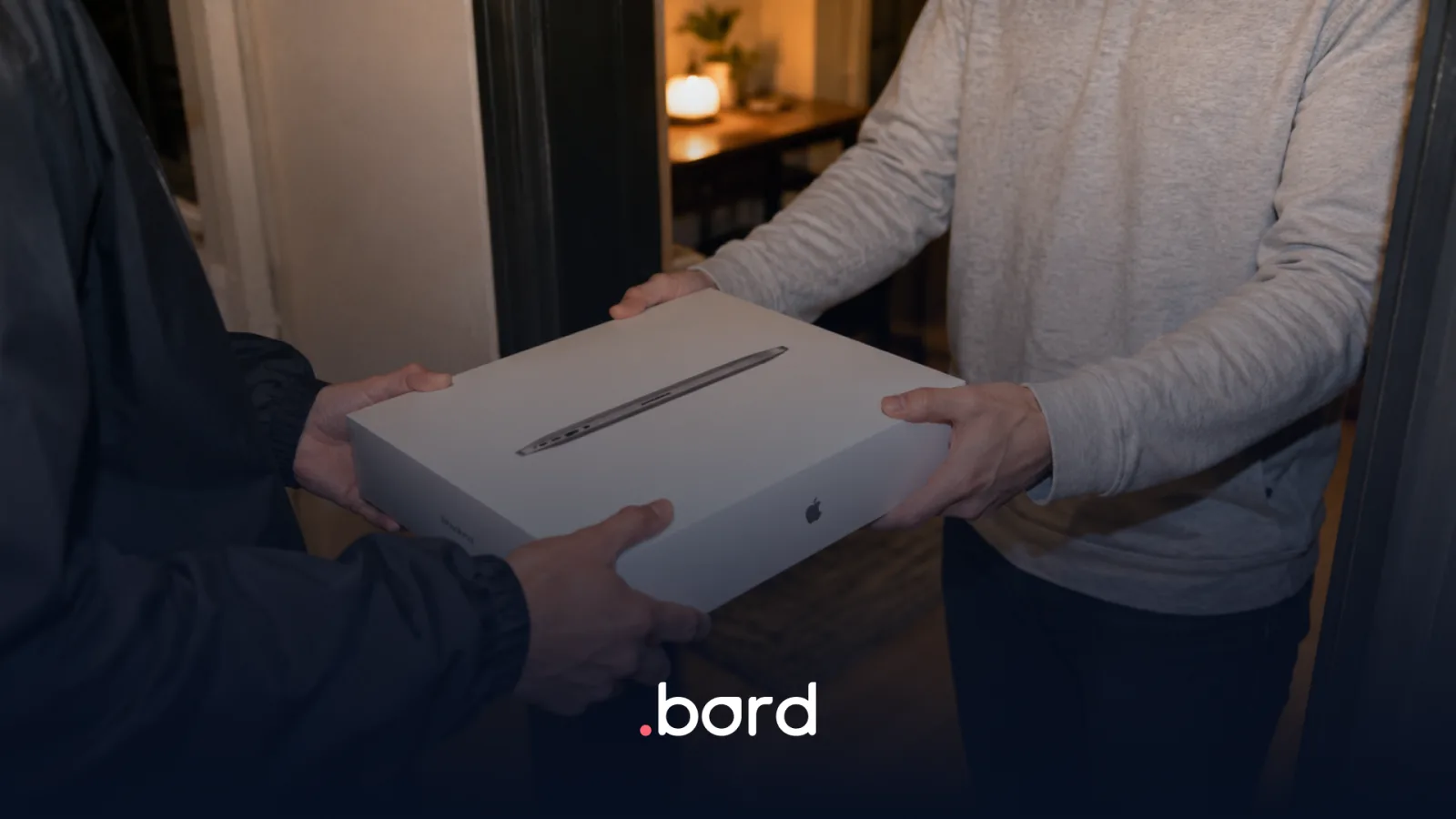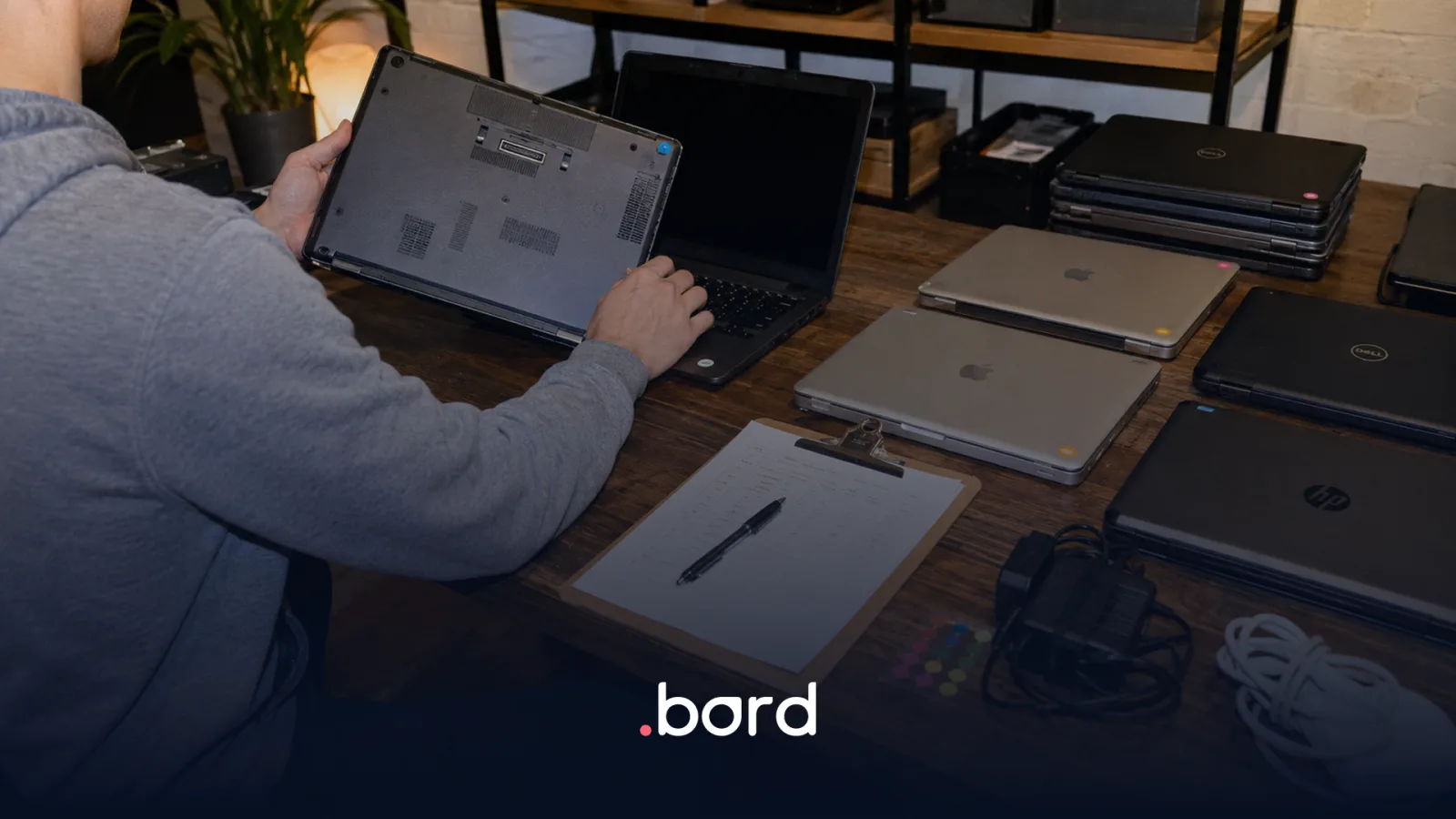



Systems management isn't just “providing support”. It's making sure every corporate laptop is delivered with the right setup, accesses ready, policies applied, and enough visibility to operate without improvisation.
When this isn't in order, the cost shows up fast: more tickets, repeated errors, slow onboarding, security risks, and poor audit capability — especially when you operate across multiple LATAM countries.
What does good systems management include today?
In companies with distributed teams, systems management should cover at least these layers:
- Initial device configuration (setup by role)
- Corporate software installation (and version control)
- Enrollment in MDM (from the start, not “later”)
- Access and security policies (VPN/SSO, permissions, restrictions)
- Encryption and device control (more secure endpoints)
- Technical support and tracking (SLA + traceability)
- Inventory and device status (who has it, where it is, and in what condition)
It's not just about technology. It's about operating with criteria, consistency, and control.
The problem with doing everything manually (and fragmented)
Many companies still rely on split processes: IT configures one part, People coordinates another, the provider delivers when they can, and real control arrives late.
This usually generates:
- Laptops delivered without complete configuration
- Users with poorly defined access
- Low consistency across countries (each one “their own way”)
- More tickets for avoidable errors
- Less ability to audit compliance and security
When the team grows, “manual” doesn't scale: it becomes friction.
The minimum checklist to operate corporate laptops without friction
If you want a healthy operational base, this should be solved from day one:
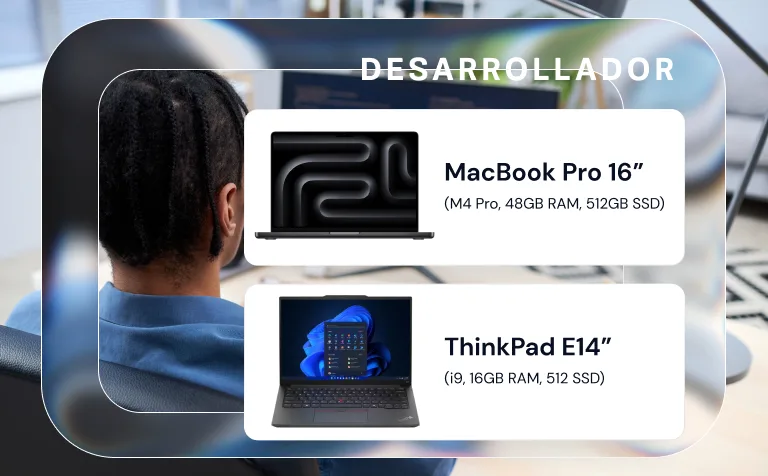
1) Standardized configuration by role
Each role should receive a consistent setup (apps, accesses, and policies), without building it “by hand” each time. This Speeds Up Onboarding and reduce repeated failures.
2) MDM enrollment from the origin
The device has to leave ready to be managed and protected. MDM isn't an “extra”: it's the system that gives you real control.
3) Policies and security applied before delivery
Access, encryption, restrictions, hardware, and software should be defined before the device reaches the user. This reduces risks and avoids incidents from bad configuration.

4) Clear support (for the user) and traceable (for IT)
The user has to know where to ask for help, and IT needs to see the incident history, actions, and status.
5) Operational record and asset visibility
Each device should be linked to:
- User
- Location
- Status (active, in warehouse, in transit, under repair, etc.)
- Change history
What changes when you operate across multiple LATAM countries?
In LATAM the complexity isn't just technological. It's also about execution.
Coordinating different providers, variable timings, different criteria by country, and multiple warehouses/transporters can generate more friction than necessary if there's no operational standard.
The difference between “having tools” and “having a solved operation” is right there: consistency + visibility + control, regardless of country.
When should you centralize device management?
In general, centralizing makes sense when:
- Your team grows and manual configuration becomes a bottleneck
- You operate in more than one country or across multiple locations
- There's turnover (hires/departures) and you need repeatable processes
- Security depends on individual “best practices”
- Tickets are predictable and repeated (a symptom of lacking a standard)
Centralizing isn't losing control: it's gaining consistency.
When does it make sense to lean on a partner?
If your team is already losing time on repetitive configurations, predictable tickets, or coordination across countries, the problem probably isn't volume: it's lack of structure.
Leaning on an operational partner lets you:
- Offload daily operations without growing the internal team
- Maintain consistent security and MDM policies
- Improve user experience (faster onboarding)
- Sustain traceability And Audit with Less Friction
Well-executed systems management makes every laptop arrive ready, secure, and aligned with your company's policy.
Less friction for IT. Fewer delays for onboarding. More control for the whole operation.
Frequently asked questions
What does systems management include in companies?
Systems management includes configuration, policies, accesses, security, inventory, and support across work devices. In distributed environments, it also includes standardization by role, asset traceability, and compliance control.
What is MDM for?
MDM (Mobile Device Management) is used to manage and protect corporate devices centrally: apply policies, manage access, enforce encryption, install software, restrict functions, and monitor status — reducing risks and operational friction.
What's the difference between IT support and systems management?
IT support solves incidents and requests (tickets). Systems management designs and maintains the standard: configuration, policies, security, accesses, and continuous administration. When systems management is done well, the volume of avoidable tickets drops.
When should you centralize device management?
Centralizing makes sense with growth, multiple countries or locations, frequent turnover, the need for consistent audit and security, or when manual configuration generates delays and repeated errors in onboarding.