


When a company evaluates what technology to hand its team, the decision shouldn't come down only to purchase price or brand preference.
The real question is different: which technology gives your operation more continuity, more order, and less friction?
That's where Apple starts to play differently.
Because choosing Apple isn't just choosing a laptop. It's choosing a smoother way to work across devices, a more consistent user experience, and a simple foundation to scale your tech operation.
Apple is no longer just a “creative” brand
For a long time, Apple was mostly associated with the creative world. Today that reading falls short.
For many companies, Apple is now a decision tied to productivity, user experience, and operational order. Not just because of the device itself, but because of how it integrates with daily work, how it's deployed, and how it's managed within a broader operation.
That shifts the conversation: Apple stops being an aesthetic choice and becomes a work tool.
Performance that keeps up with the pace of work
One of the clearest reasons to choose Apple is the performance you feel in daily use.
When someone works between video calls, spreadsheets, documents, collaborative tools, multiple tabs, and simultaneous workflows, they need a machine that responds with stability. In companies that want to reduce interruptions and maintain productivity, that's not a technical detail: it's an operational advantage.
That's why Apple often makes sense on teams where user experience also impacts execution speed, focus, and continuity.
An ecosystem that really does change how you work
One of Apple's biggest differentiators is its ecosystem.
Being able to copy something on an iPhone and paste it on a Mac. Starting a task on one device and continuing it on another. Moving between devices without breaking flow. Solving tasks without extra steps.
That kind of continuity makes daily work simpler and faster.
It's not just a “nice” experience. It's real practicality for people who work all day across devices and need technology to keep up, not slow them down.
Cutting-edge tech that also works for business
Apple didn't just build a strong brand. It also developed a solid proposition for enterprise environments.
That shows in the way devices can be deployed, managed, and standardized with more order. For IT, that matters because it reduces operational load and makes growth easier when the company adds people, countries, or new processes.
When an operation needs to scale, order matters as much as hardware.

Quality and Longevity That Matter Beyond the Purchase
Evaluating Apple only by its initial price usually leaves out the most important part of the decision.
In a business, what matters isn't just how much a device costs to buy, but how it performs over its useful life, how much support it requires, how it gets reassigned, and how much value it retains at the end of the cycle.
That's where Apple fits well into the conversation, because it's not just about purchase. It's also about durability, consistency, and residual value.
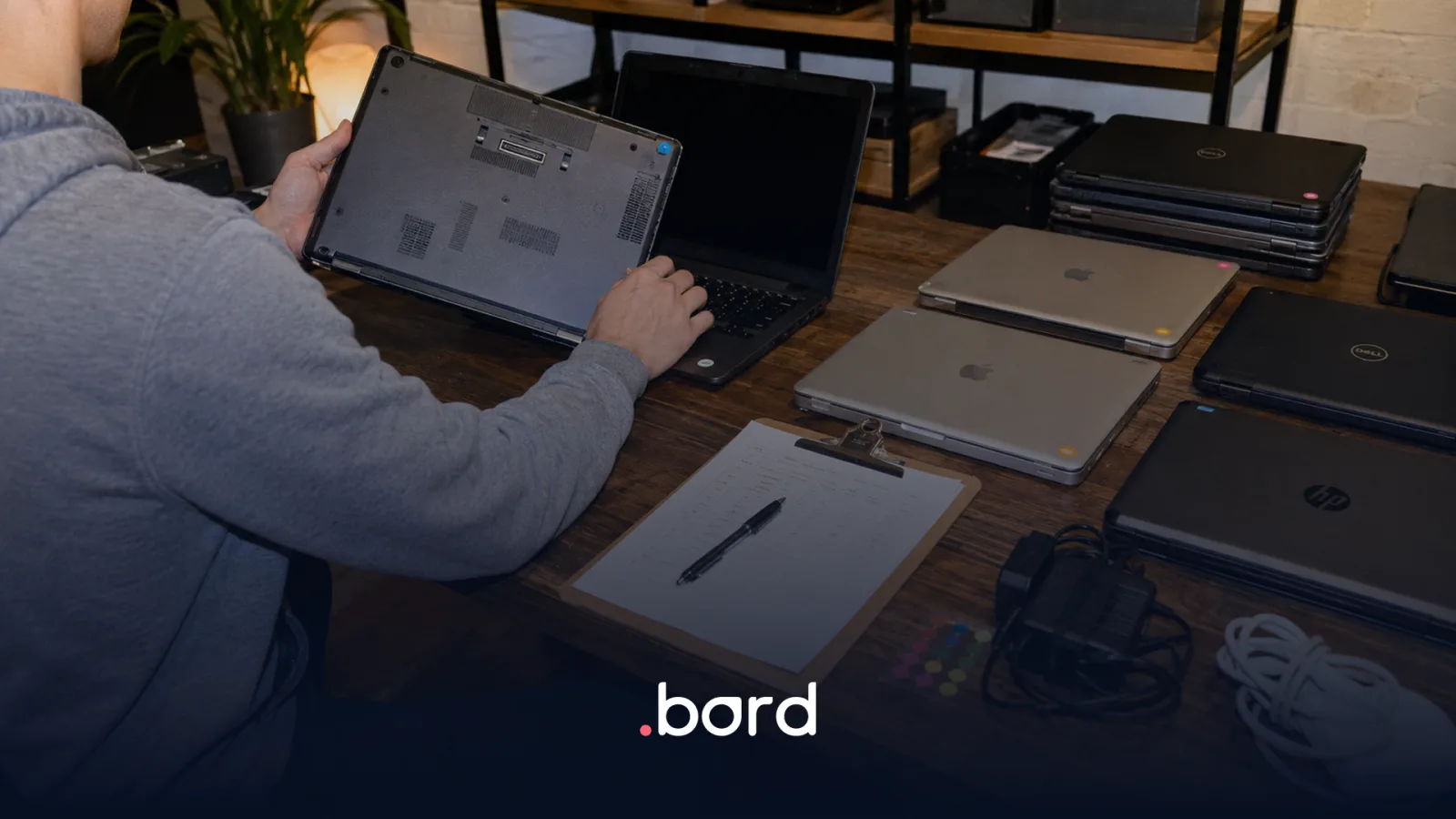
For companies already thinking about fleet renewal, recovery, or buyback, that adds up.
Practicality for the user, order for the company
Many tech decisions fail not because the device is bad, but because they generate too much friction around it.
When the user needs something simple and IT needs something scalable, Apple delivers an attractive combination: a consistent experience for the person and a more orderly foundation for the operation.
That helps especially in companies with remote teams, fast growth, or presence in multiple countries, where any friction gets multiplied.
Apple makes more sense when you think in lifecycle terms
The best way to evaluate Apple isn't to ask how much a Mac costs.
The best way is to ask: what happens with that device from the moment you buy it until you assign it, recover it, or renew it?
Looked at that way, Apple stops being just a purchase and becomes part of a more orderly lifecycle strategy. Because Apple devices have higher resale value, fewer failures, and longer lifespans. Their operating system is lightweight and allows a device with good specs to perform even better. They're extremely powerful machines with high durability.
So, why choose Apple?
Because in many companies Apple stops being a brand choice and becomes an operational choice.
It can bring:
- Performance for daily work
- Continuity across devices
- Real practicality for the user
- More orderly deployment
- A more consistent experience
- A better conversation about residual value at the end of the cycle
It doesn't mean it's the only valid option for every organization. But for many companies, Apple can be the right combination of cutting-edge tech, quality, durability, and operational simplicity.
At Bord we're Apple First for a reason
At Bord we work with Apple not just as a manufacturer, but as a decision that can make a company's tech operation simpler.
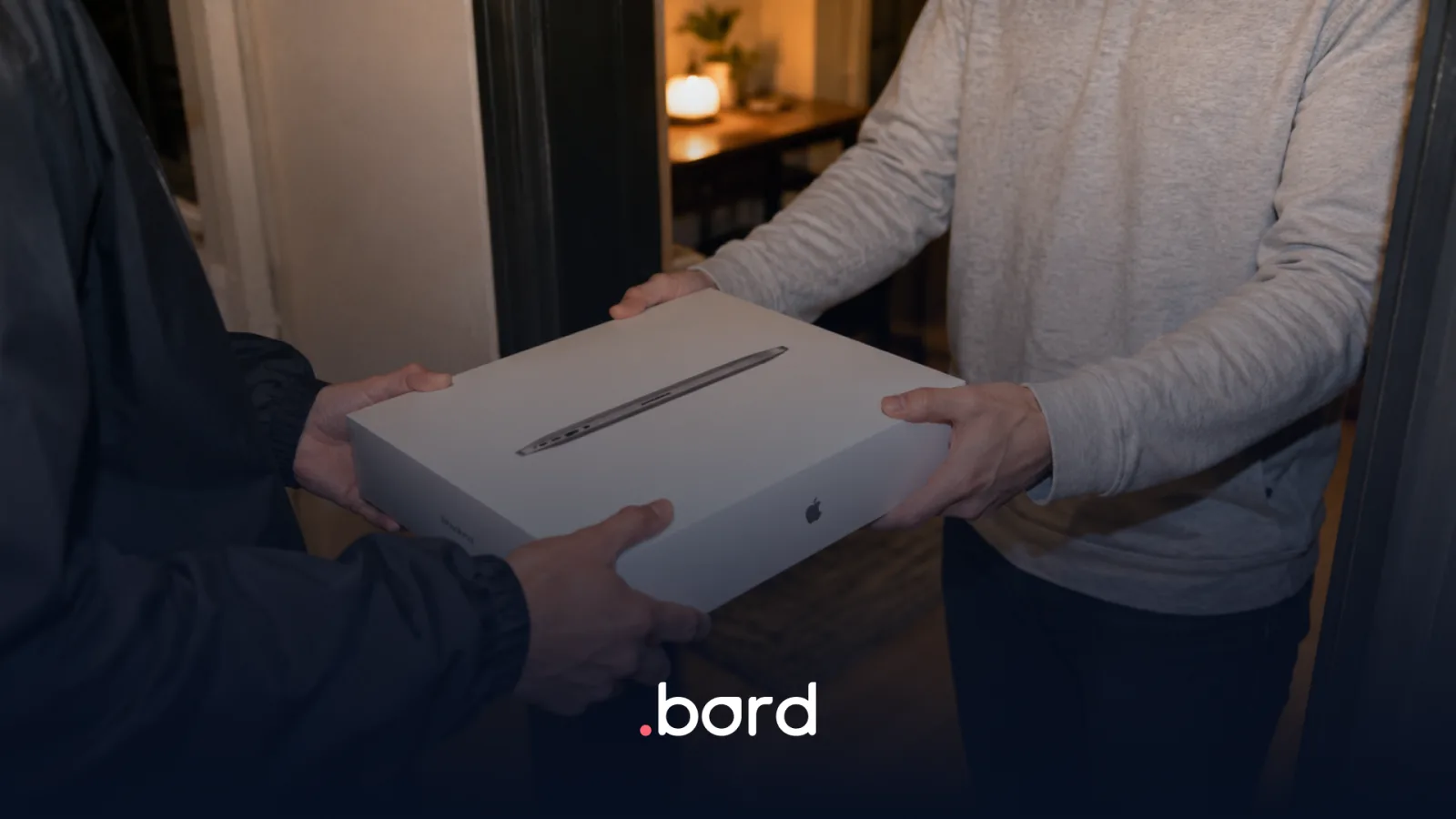
We support companies that need to equip, deploy, manage, recover, and renew Apple devices in LATAM with more order and less friction.
Because in the end, choosing Apple isn't just choosing a device. It's choosing a more practical way to operate.
Frequently asked questions
Why choose Apple for a company?
Because Apple combines performance, an integrated ecosystem, practicality across devices, and a more consistent experience for daily work.
What advantage does the Apple ecosystem have in a company?
It lets you work with more continuity across devices, reduce steps, and gain speed in everyday tasks.
Is Apple only for creative profiles?
Apple also works very well in enterprise environments where productivity, operational order, and user experience matter.
Does Apple help organize device management?
Yes. Apple can integrate better into operations that seek more consistency in deployment, use, and device administration, with Apple Business Manager and its range of available apps.
Does Apple make sense in buyback strategies?
Yes. For many companies, Apple also enters the conversation because of its residual value at the end of the cycle — its devices have higher resale value and greater durability.
What role does Bord play in an Apple operation?
Bord helps companies in LATAM equip, deploy, manage, recover, and renew Apple devices within a single operation, across the region, at the highest quality standard.