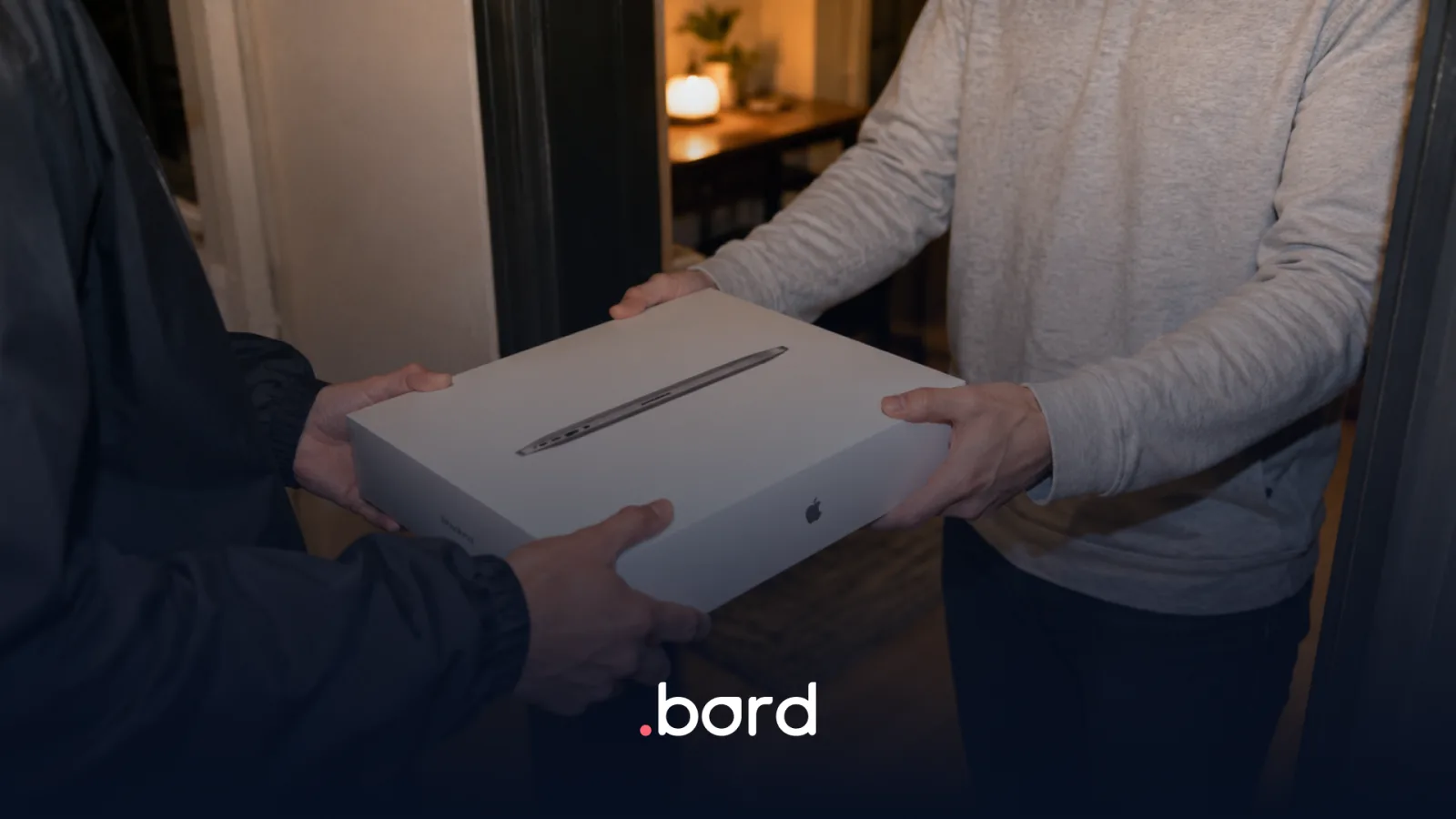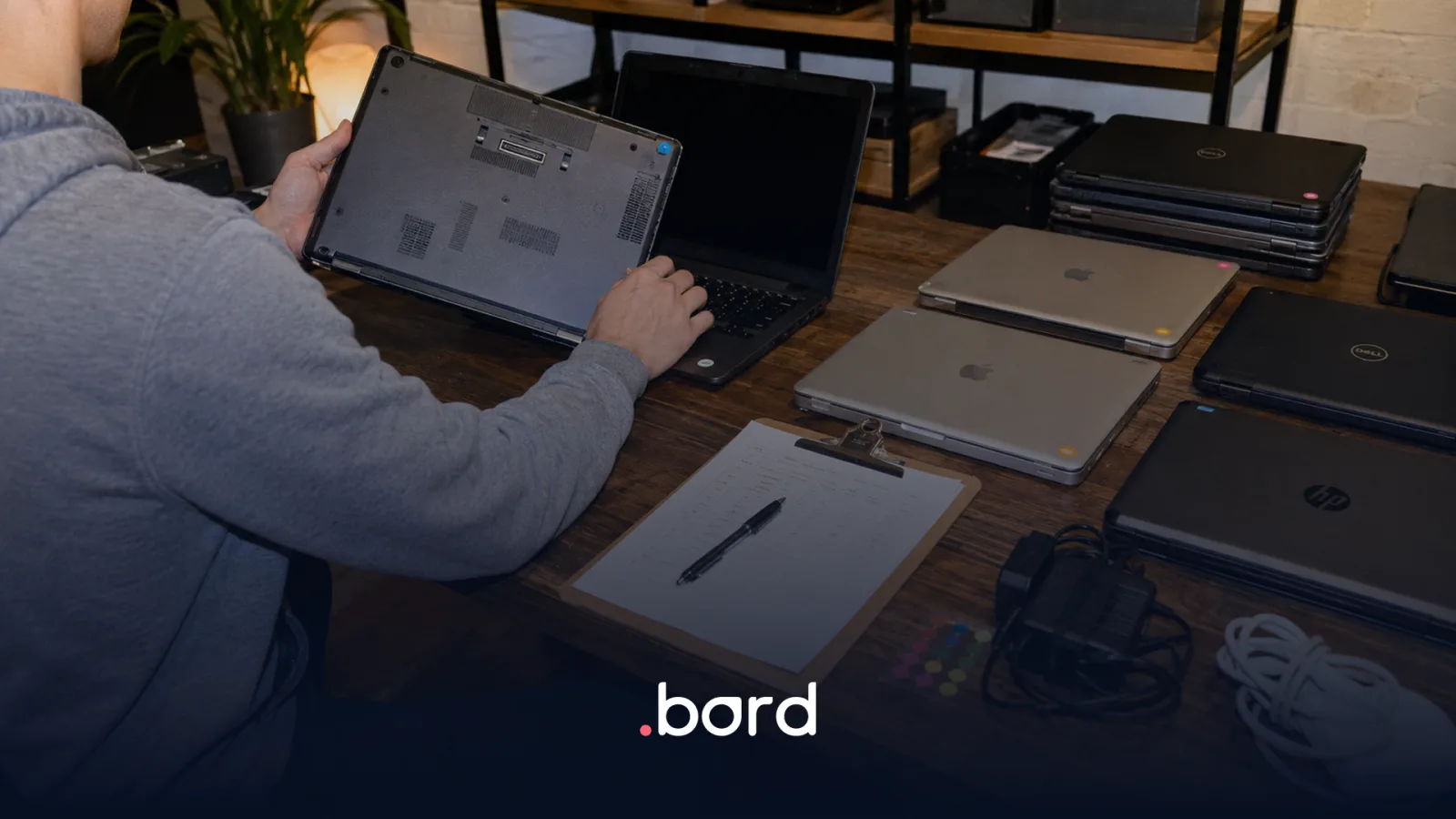



Equipment traceability isn't just having an inventory. It's being able to see, at any moment, where a device is, who's using it, what condition it's in, and what's happened to it from the moment it was purchased until it's recovered or reassigned.
When that visibility doesn't exist, the usual problems show up: unconfirmed deliveries, devices without a clear location, disorganized offboardings, and more operational load for IT, HR, and Finance.
What does traceability mean in IT operations?
In practice, traceability means having a complete history of each device.
Knowing that a laptop “exists” on a spreadsheet isn't enough. What matters is being able to answer concrete questions without wasting time:
- Where is it today?
- Who received it?
- Was it delivered, reassigned, or picked up?
- Is it operational, stored, or in transit?
- What evidence do I have of each movement?
When a company grows across multiple countries, these questions stop being administrative. They become operational.
Where traceability breaks down
Traceability usually fails at four moments:
1. Onboarding
The device was bought, but it's unclear whether it shipped, was delivered, or was properly received by the employee.
2. Internal changes
A device changes user, city, or country, but that movement isn't well recorded.
3. Offboarding
There's coordinated pickup, but no consistent evidence of the device's condition, receipt, or final destination.
4. Storage and reassignment
The asset comes back, but isn't left ready for the next use with properly organized information.

What minimum data should you have on each device
For real control, each device should have at minimum:
- Assigned user
- Current location
- Serial number
- Operational status
- Movement history
- Delivery or pickup confirmation
- Next destination
This gives IT a clear base to operate on and other areas a reliable reference for decision-making.
Why this has more impact than it seems
When there's no traceability, the problem isn't just visibility.
These also appear:
- More time lost searching for information
- More risk of loss or misplacement
- Less capacity to audit
- Worse onboarding and offboarding experience
- Less control over costs and replacements
On the other hand, when every movement is recorded, operations become simpler to coordinate and easier to scale.
How to solve it without adding friction
The key isn't adding more spreadsheets. It's connecting purchase, delivery, tracking, pickup, and storage in a single operational flow.
This lets each area see what it needs without depending on crossed messages or manual validations.
If your company operates with distributed talent in LATAM, traceability stops being a nice to have. It's a condition for not losing control as the operation grows.
In summary
Equipment traceability lets you move from “we think it's here” to “we know exactly what happened with this asset”.
And in regional operations, that difference changes everything: less friction, more control, and a better base for onboarding, support, and offboarding.
If you want to organize the tracking of each device in real time, Bord helps you centralize traceability across your movements in a single operation.